
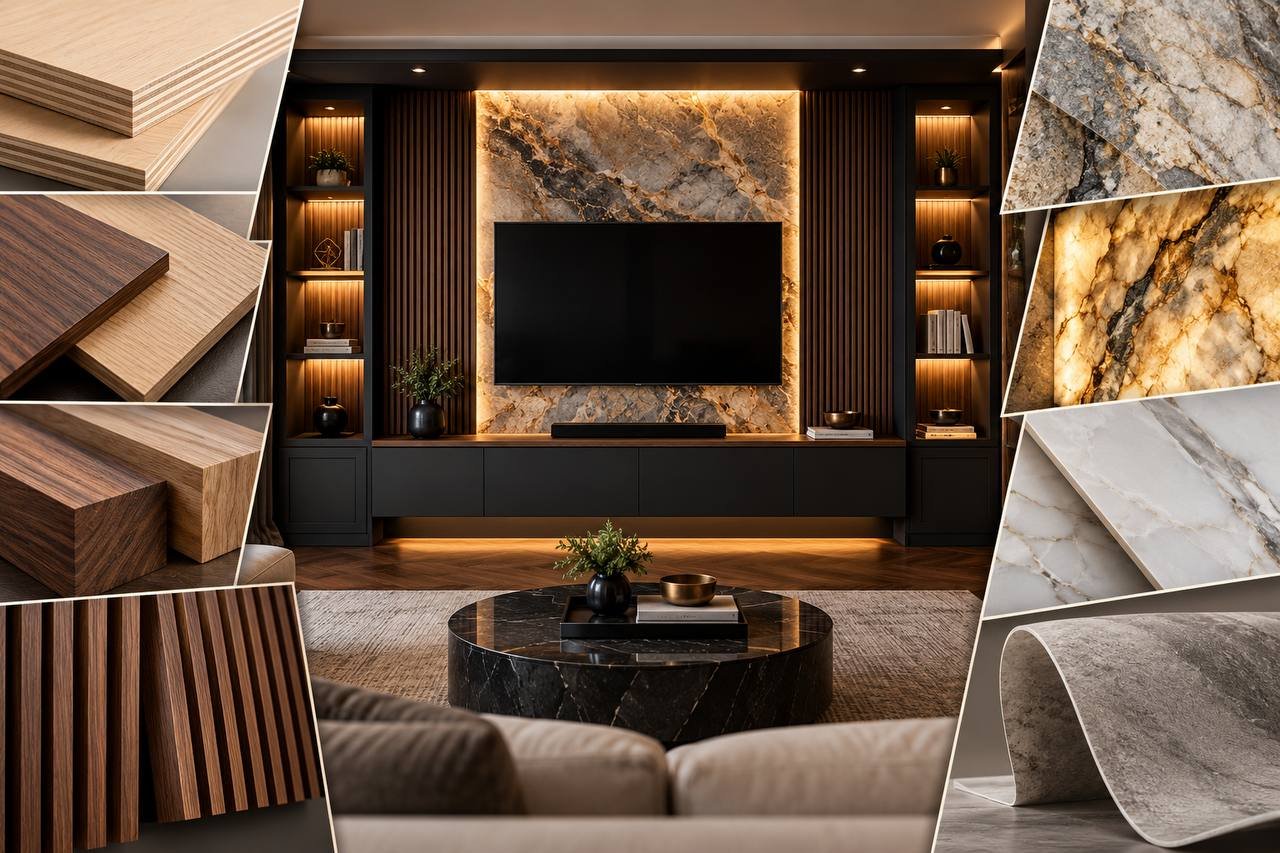
What Makes a Custom Interior Look Premium?
The materials we use and why — from cabinet-grade plywood and natural wood veneers to acoustic panels, natural stone veneer, architectural surfaces, and Corian® Solid Surface.
When we look at a finished media wall, built-in, or architectural feature wall, we usually notice the design first: proportions, color, lighting, and the way different textures work together. But behind every high-quality custom interior is another important decision — the materials.
Two projects can look similar in a photograph while being very different in construction, durability, feel, and cost. A major reason is what the cabinetry and architectural elements are actually made from.
At NC Craft Home, we build custom media walls, built-ins, closets, libraries, and architectural interior features. We do not believe that one material is right for every project. Each material has a purpose, and we select it according to the construction, the design, and the result we want to achieve.
1. Cabinet-Grade Plywood
Cabinet-grade plywood is one of the primary structural materials we use for custom cabinetry and built-ins. It can be used for cabinet boxes, shelving, media-wall components, storage units, and many other custom elements.
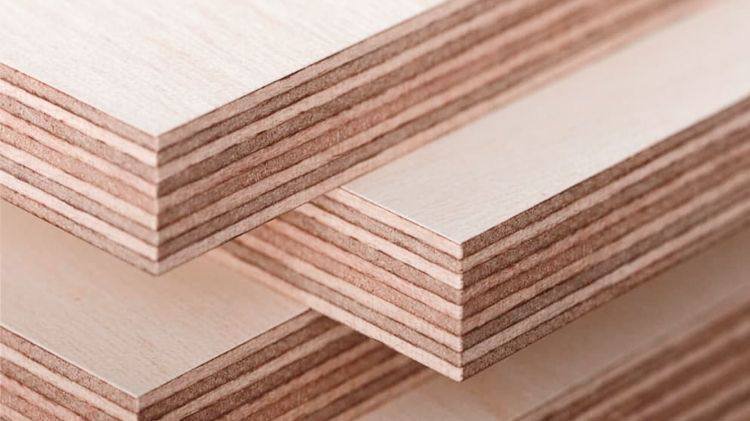
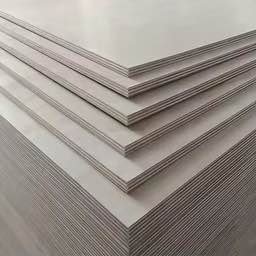
Plywood is made from multiple layers of wood veneer bonded with alternating grain directions. This construction gives it strength and dimensional stability — important qualities for large custom pieces that need to remain straight and perform well for years.
For painted projects, we select suitable paint-grade material and properly prepare the surface before finishing. The final color may be what the client sees, but the quality of the material underneath remains just as important.
2. Natural Wood Veneer Plywood
When natural wood is intended to become a visible part of the design, we often use plywood faced with real wood veneer. Two of our favorite species are White Oak and Walnut.
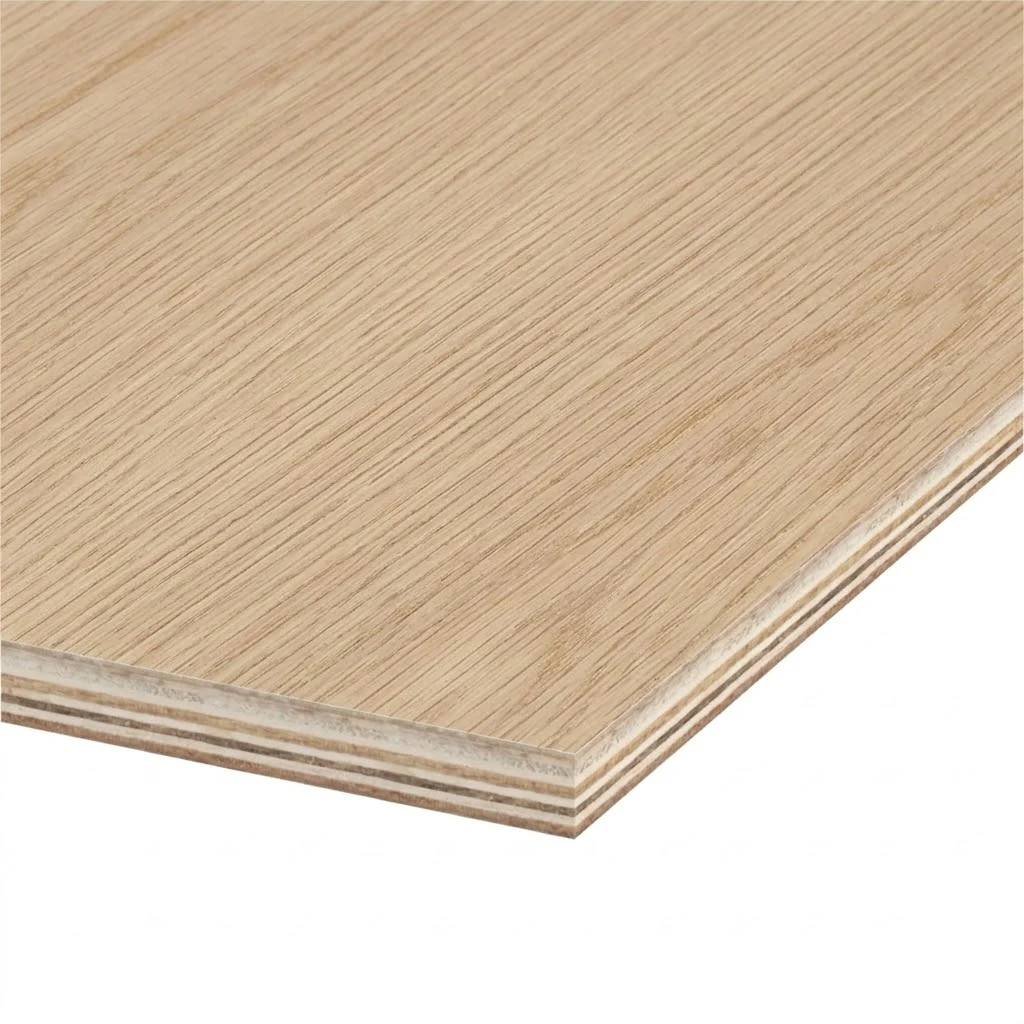
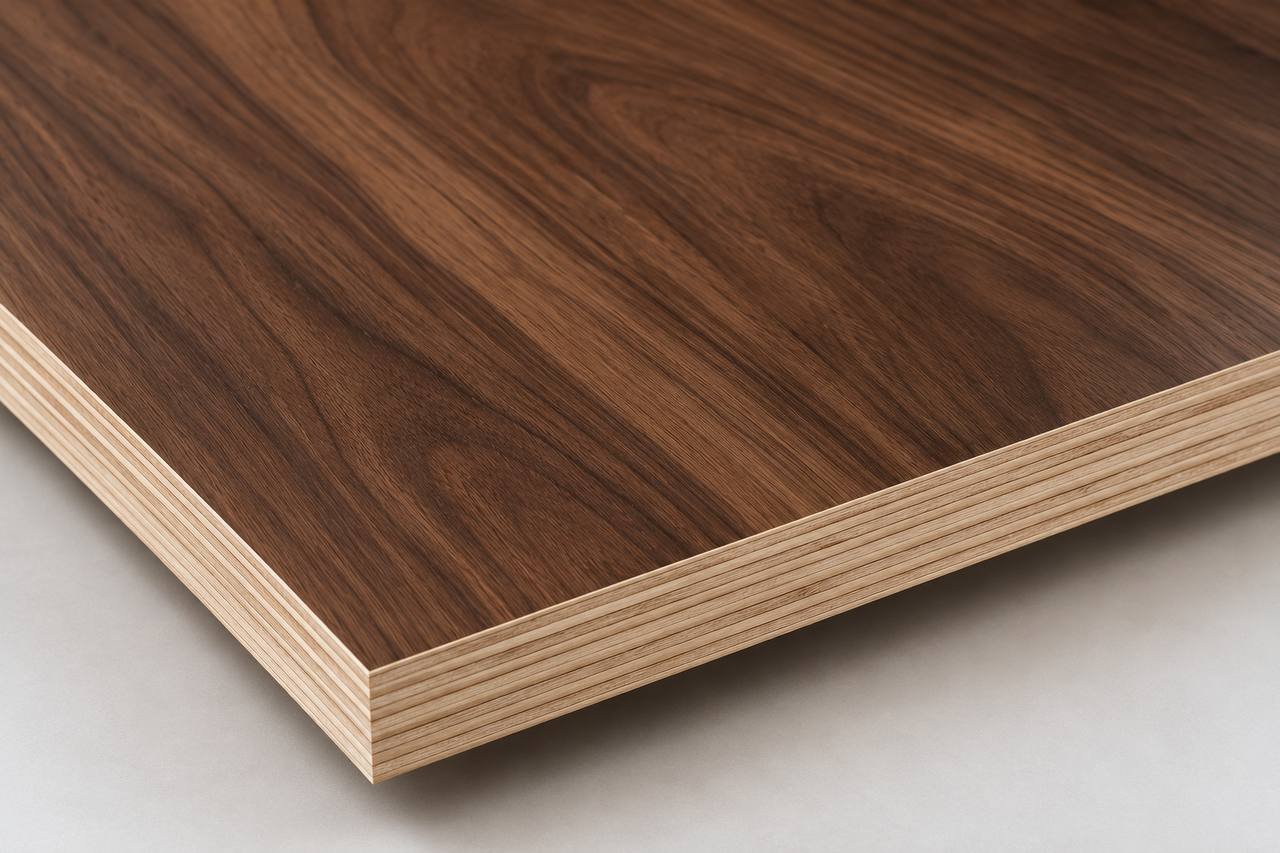
Unlike a printed wood pattern, natural veneer is a real layer of wood. Every sheet has its own grain, movement, and subtle variation in color. It gives large cabinetry surfaces the character of natural wood while retaining the stability of a plywood core.
This material works especially well for media-wall cabinetry, floating cabinets, built-ins, shelving, decorative panels, and other large furniture components. Grain direction and the relationship between neighboring parts can also be considered during fabrication so the finished composition feels intentional rather than assembled from unrelated pieces.
3. Solid Wood
Solid wood has an important place in custom interiors, but it is not automatically the best material for every component. We use it where its thickness, exposed edges, tactile quality, or structural characteristics genuinely add value to the design.
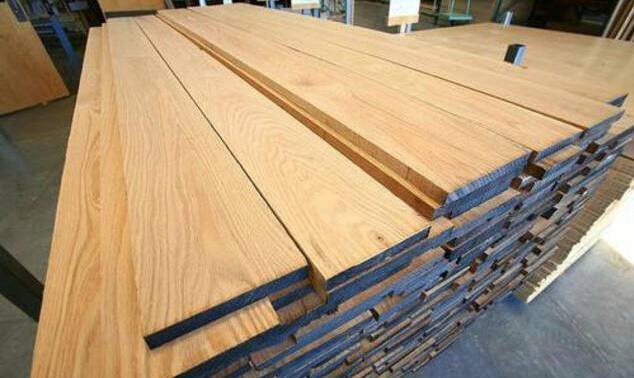
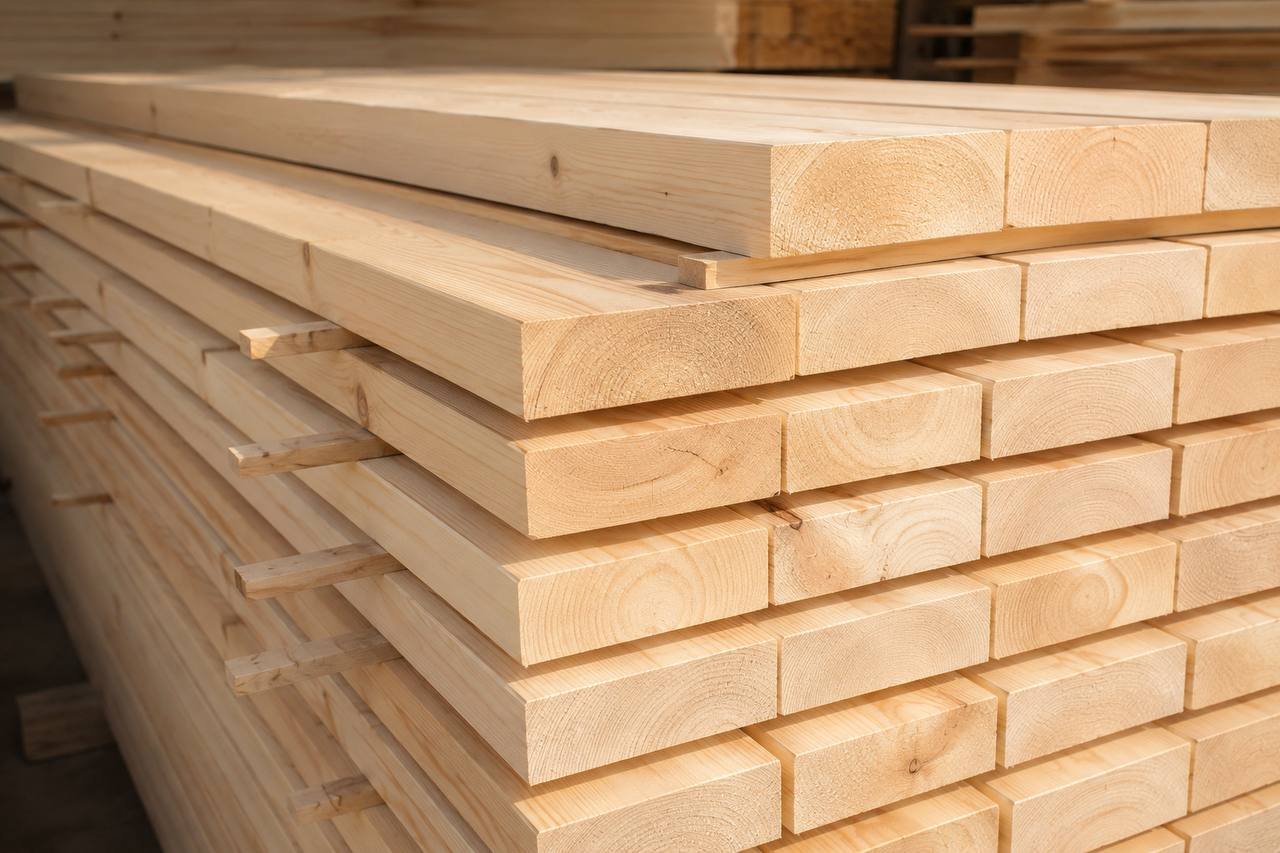
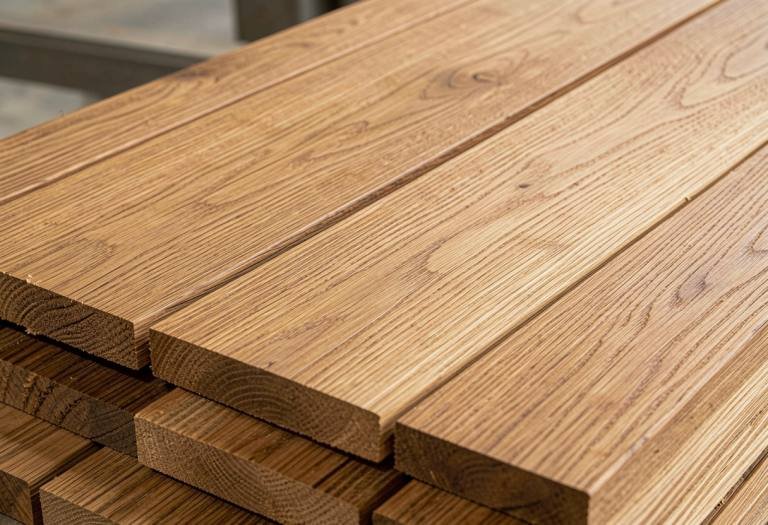
Thick floating shelves, tops, exposed architectural details, and selected furniture components are examples where solid wood can be especially effective. Walnut and White Oak are particularly expressive in contemporary interiors.
At the same time, natural wood moves as humidity changes. For some large surfaces, veneer plywood is the more stable and appropriate solution.
4. Acoustic Wood Panels
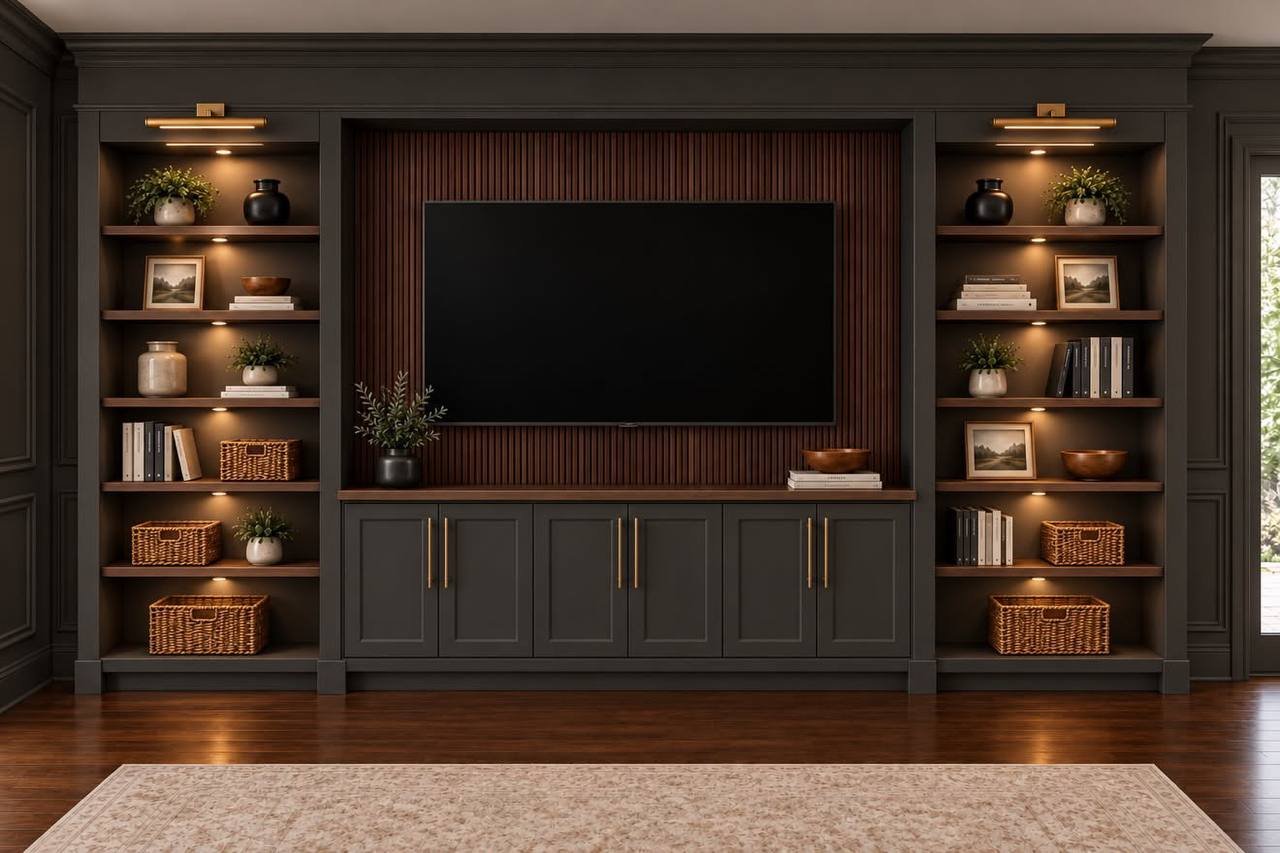
Acoustic slat panels have become a recognizable element of contemporary media walls, but their appeal goes beyond a trend. Vertical slats introduce rhythm, shadow, texture, and visual depth to an otherwise flat wall.
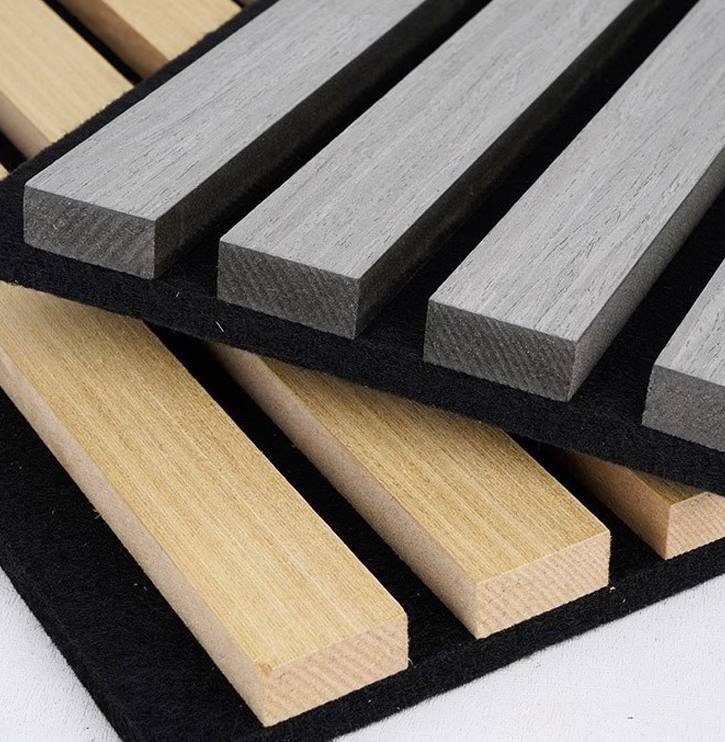
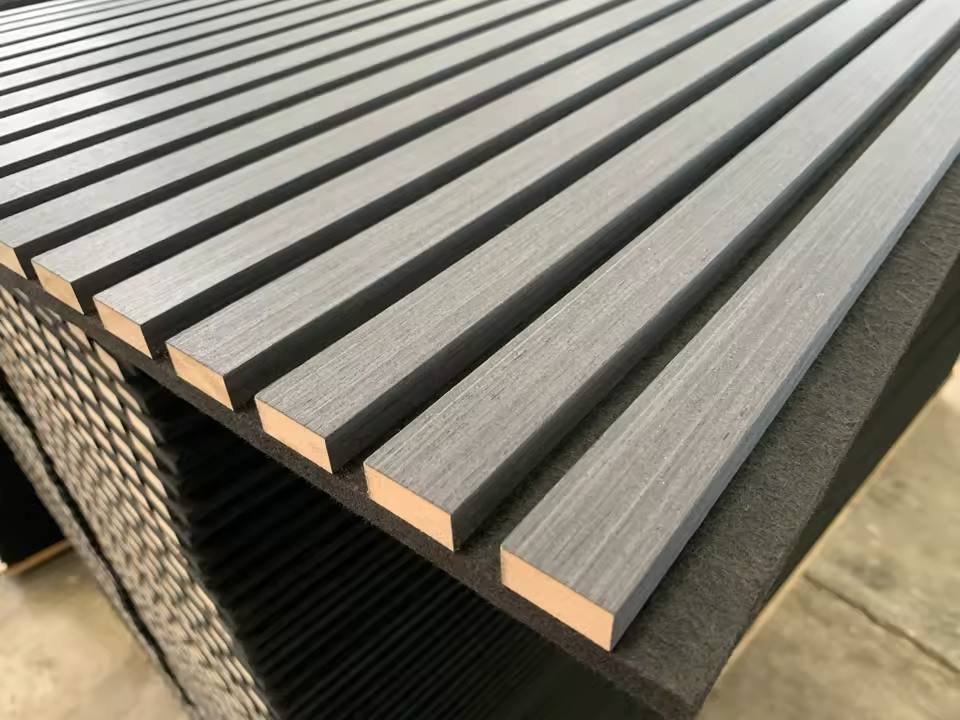
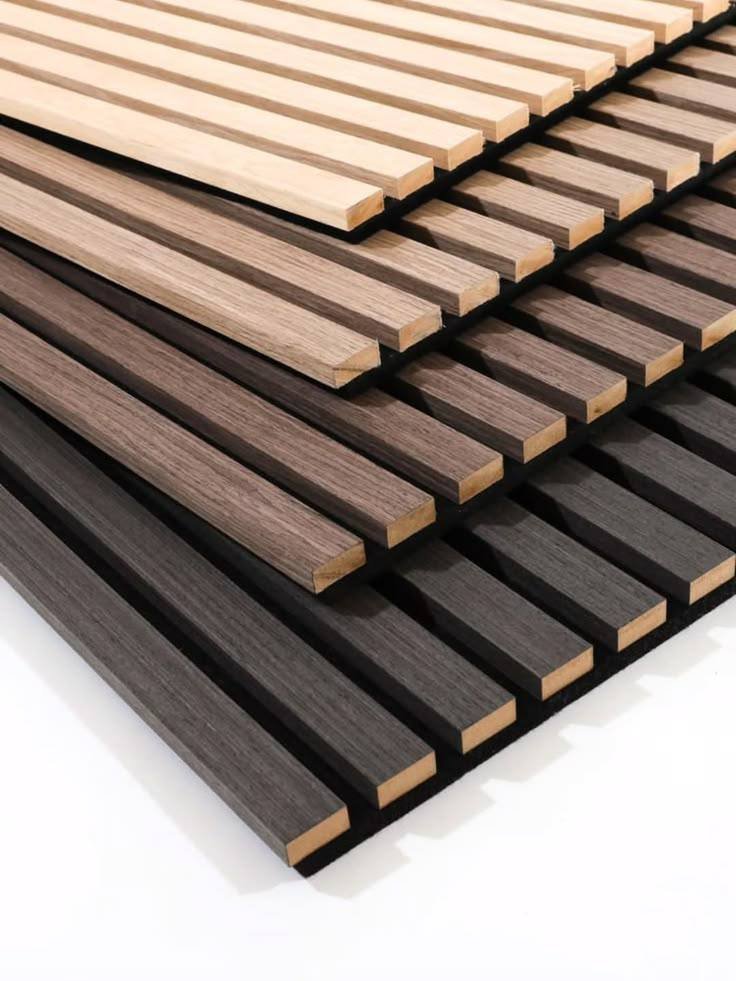
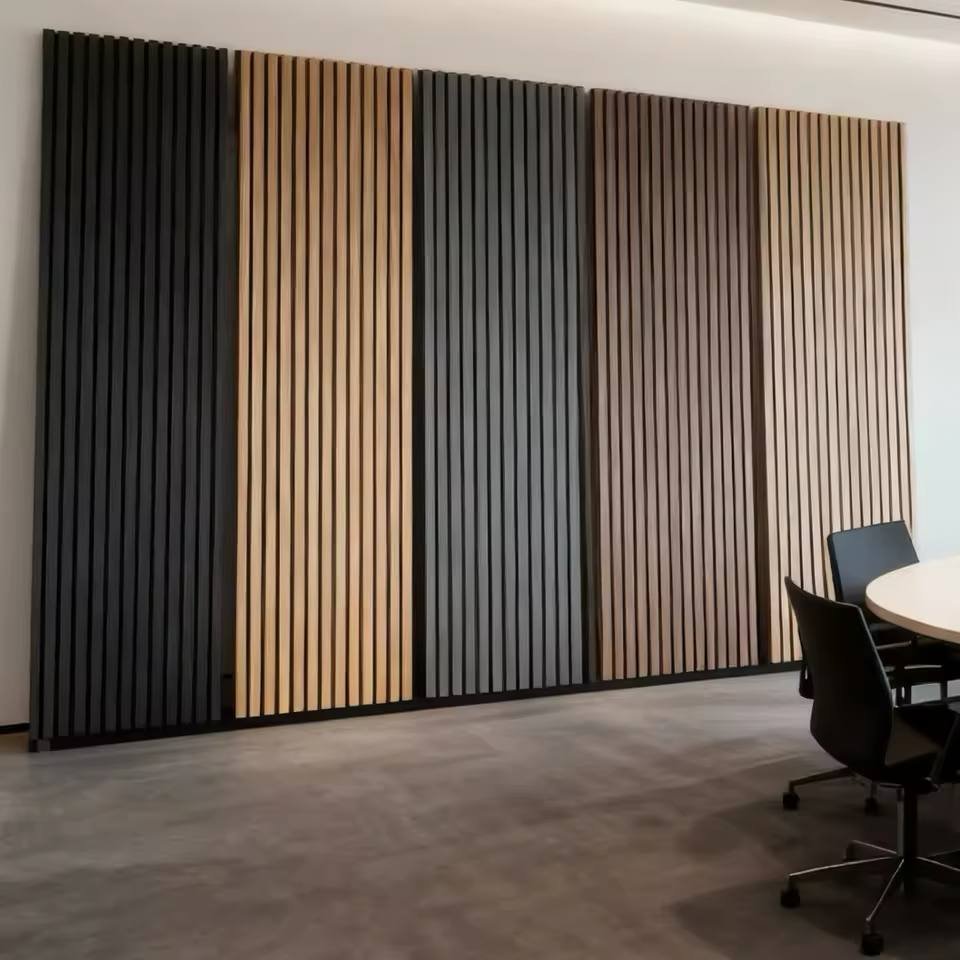
Depending on the project, we may work with Walnut, White Oak, Smoked Oak, and other tones. These panels are especially effective when paired with painted cabinetry, natural wood, stone, or a contrasting architectural surface.
Quality acoustic panels can also help reduce sound reflections, but in our work their architectural role is equally important: they create depth without forcing the wall to rely on excessive decoration.
5. Natural Stone Veneer
Natural stone veneer allows us to introduce real stone into an interior without the weight and construction requirements of a traditional thick stone slab. It is a thin layer of genuine natural stone, and every sheet carries unique variations created by nature.
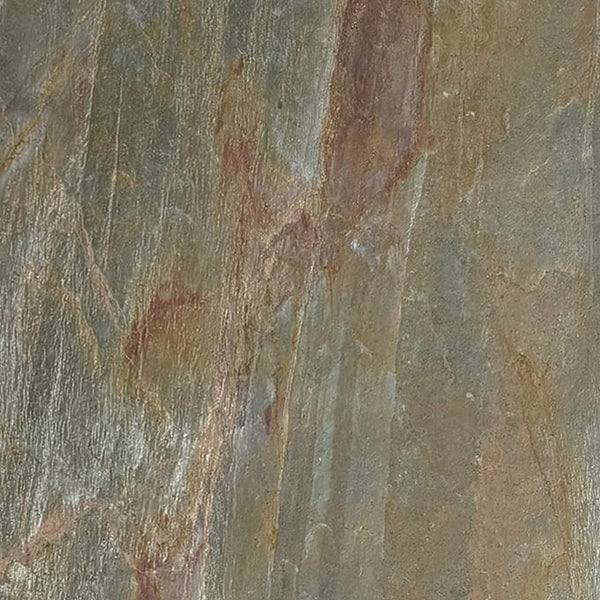
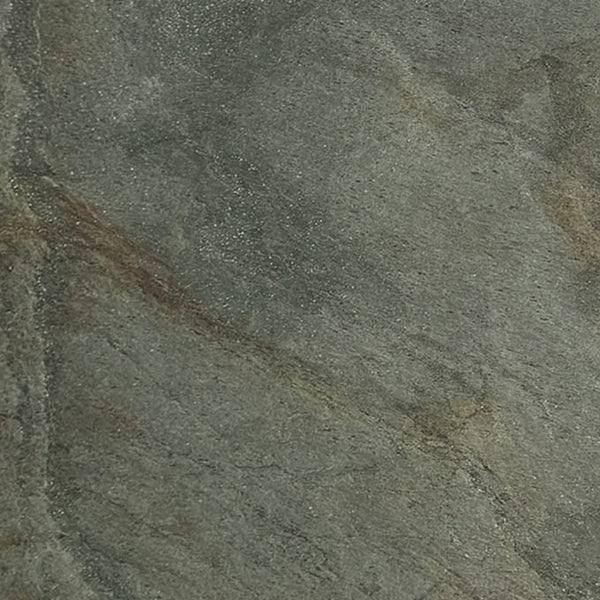
We use stone veneer as a focal surface behind a television, in the center of a media wall, on feature walls, inside niches, and in combination with wood, painted cabinetry, and acoustic panels.
Translucent Stone Veneer
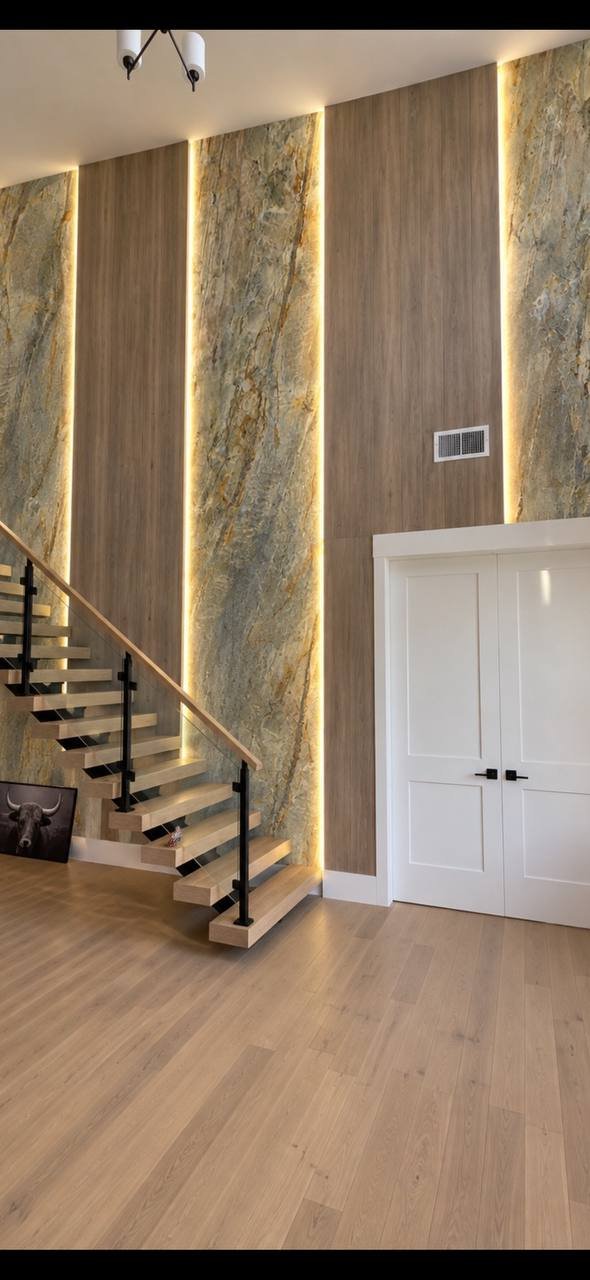
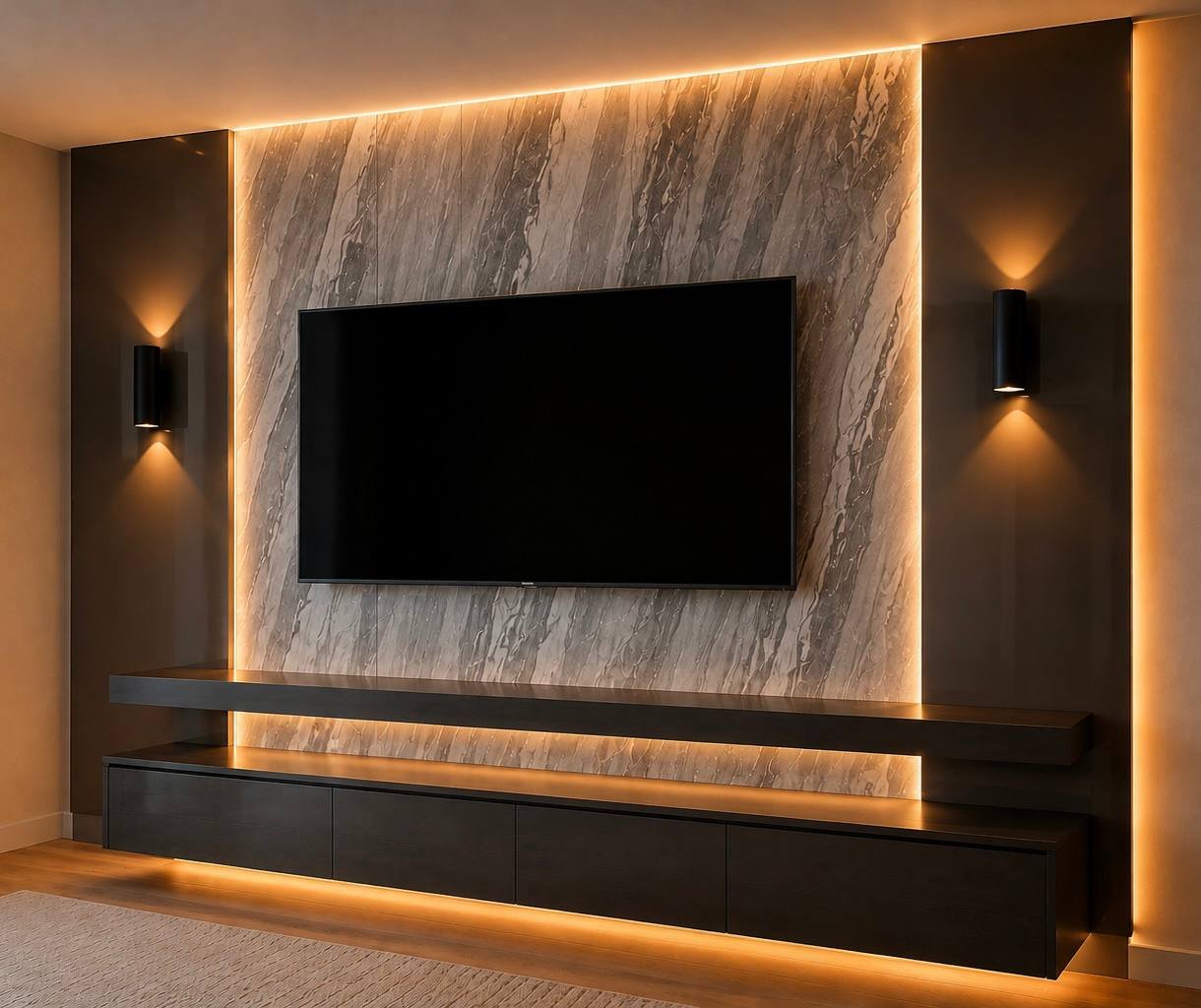
Some natural stone veneers can transmit light. With a properly designed LED system behind the surface, the material changes character completely: veining, layers, and variations in translucency become visible from within.
During the day it reads as a natural stone surface. When illuminated, it becomes an architectural light feature.
6. Large-Format Decorative Stone-Look Panels
Not every project requires natural stone. In some interiors, large-format architectural panels with marble, onyx, or other stone-inspired patterns provide the right visual effect at a different price point.
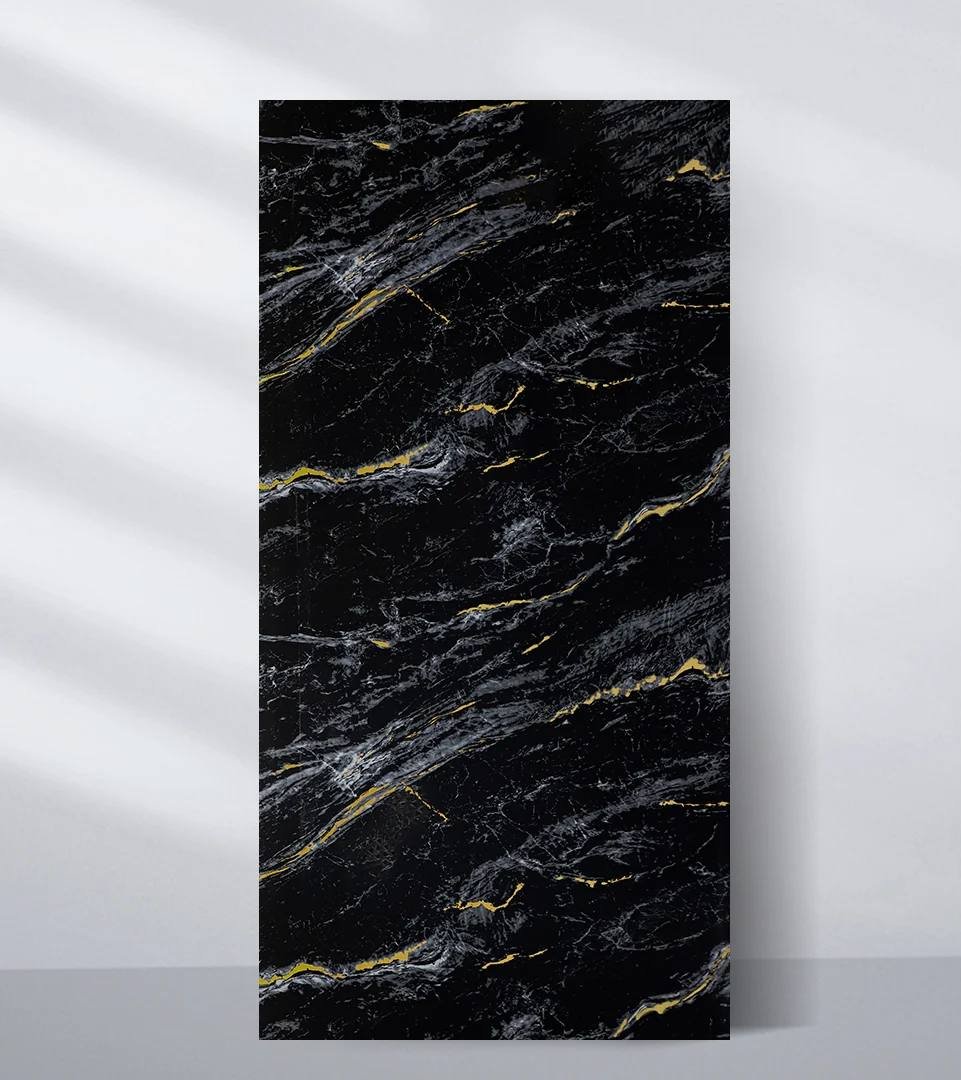
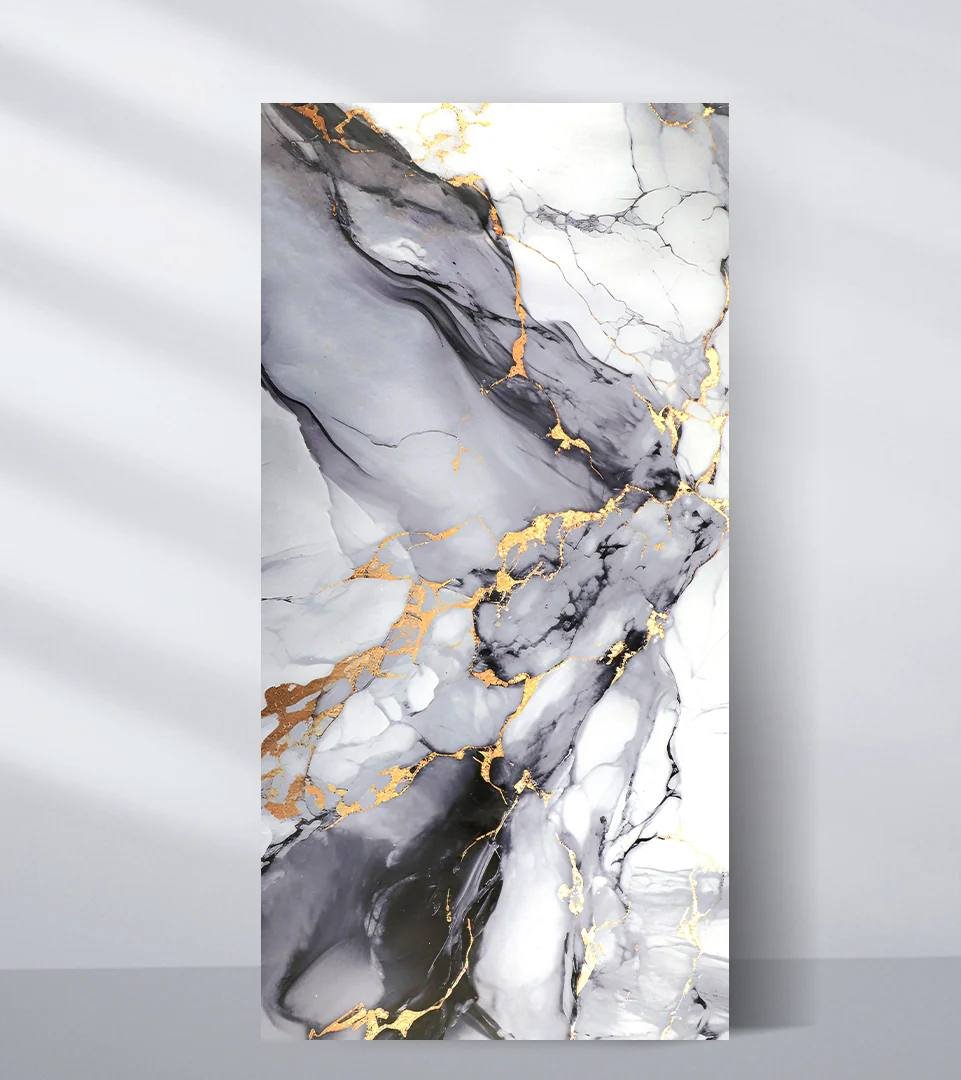
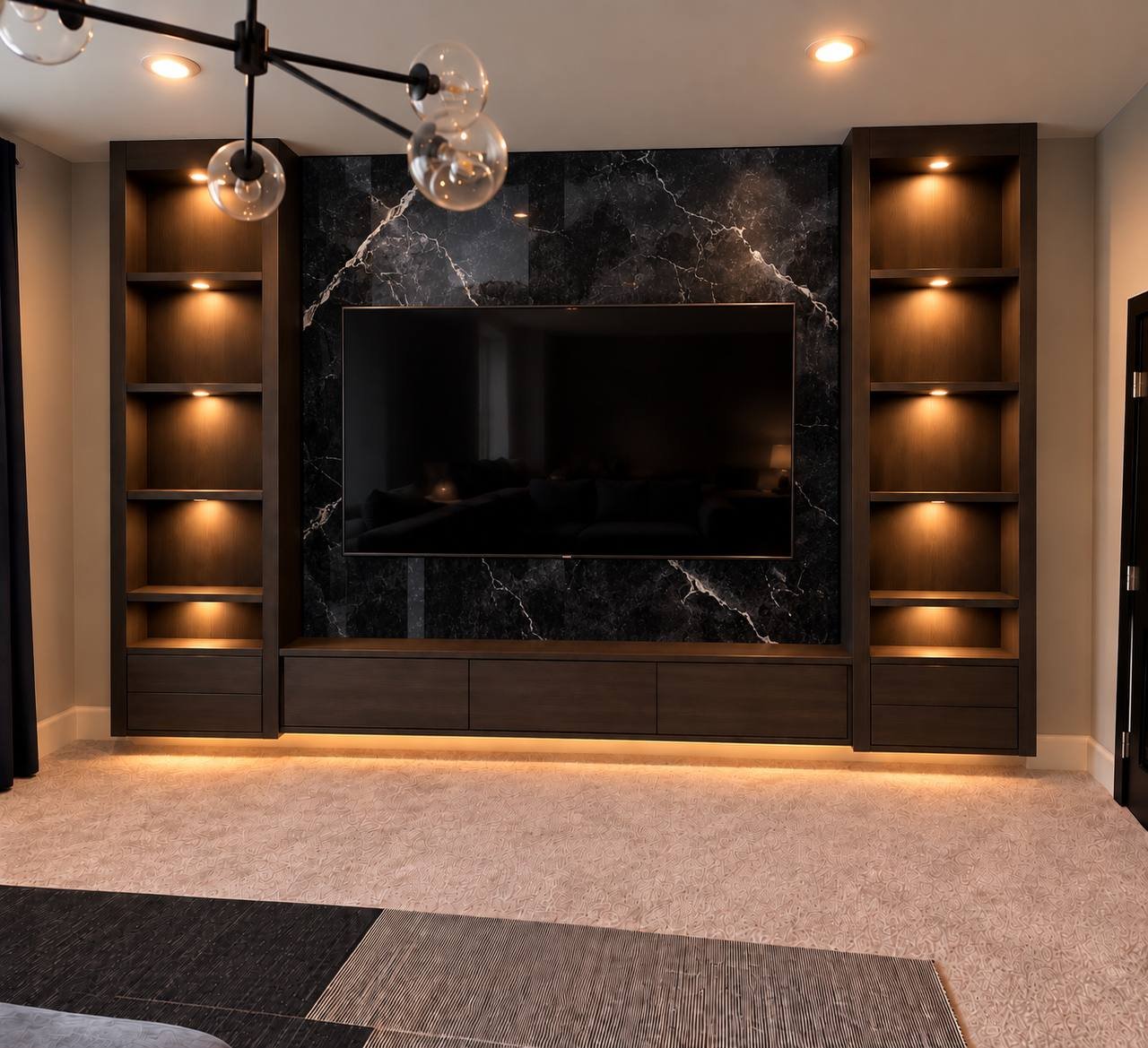
Large panels can cover substantial wall areas with relatively few joints and are useful for central media-wall surfaces and other architectural features. They are available in everything from restrained light stone patterns to dramatic dark surfaces with contrasting veining.
We believe it is important to distinguish natural stone from decorative stone-look material. They are different products, with different properties and different costs. The right choice depends on the project and the client’s priorities.
7. Corian® Solid Surface
Corian® Solid Surface gives us another architectural option. It is a homogeneous man-made surface material available in large sheets and in a wide range of colors and patterns.
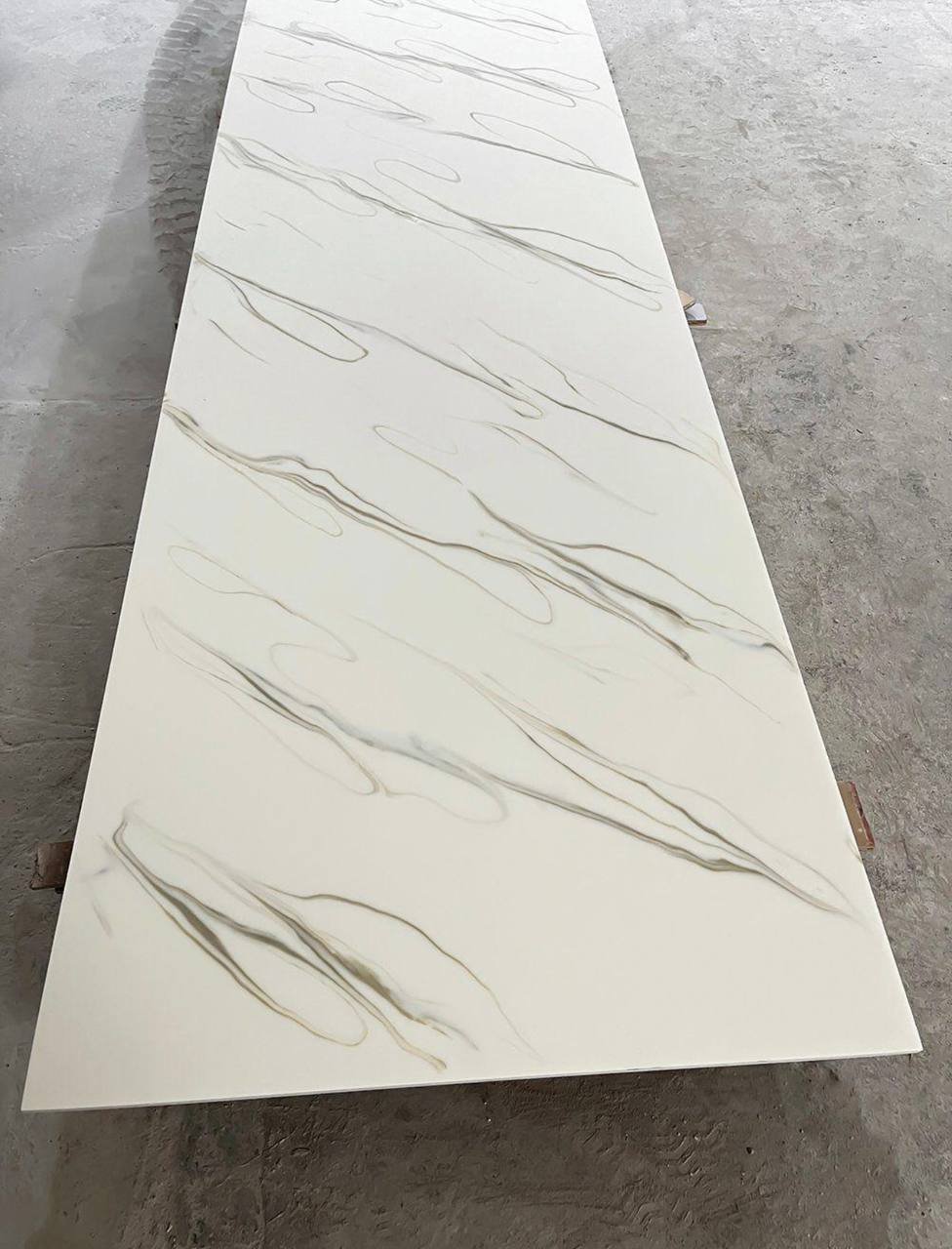
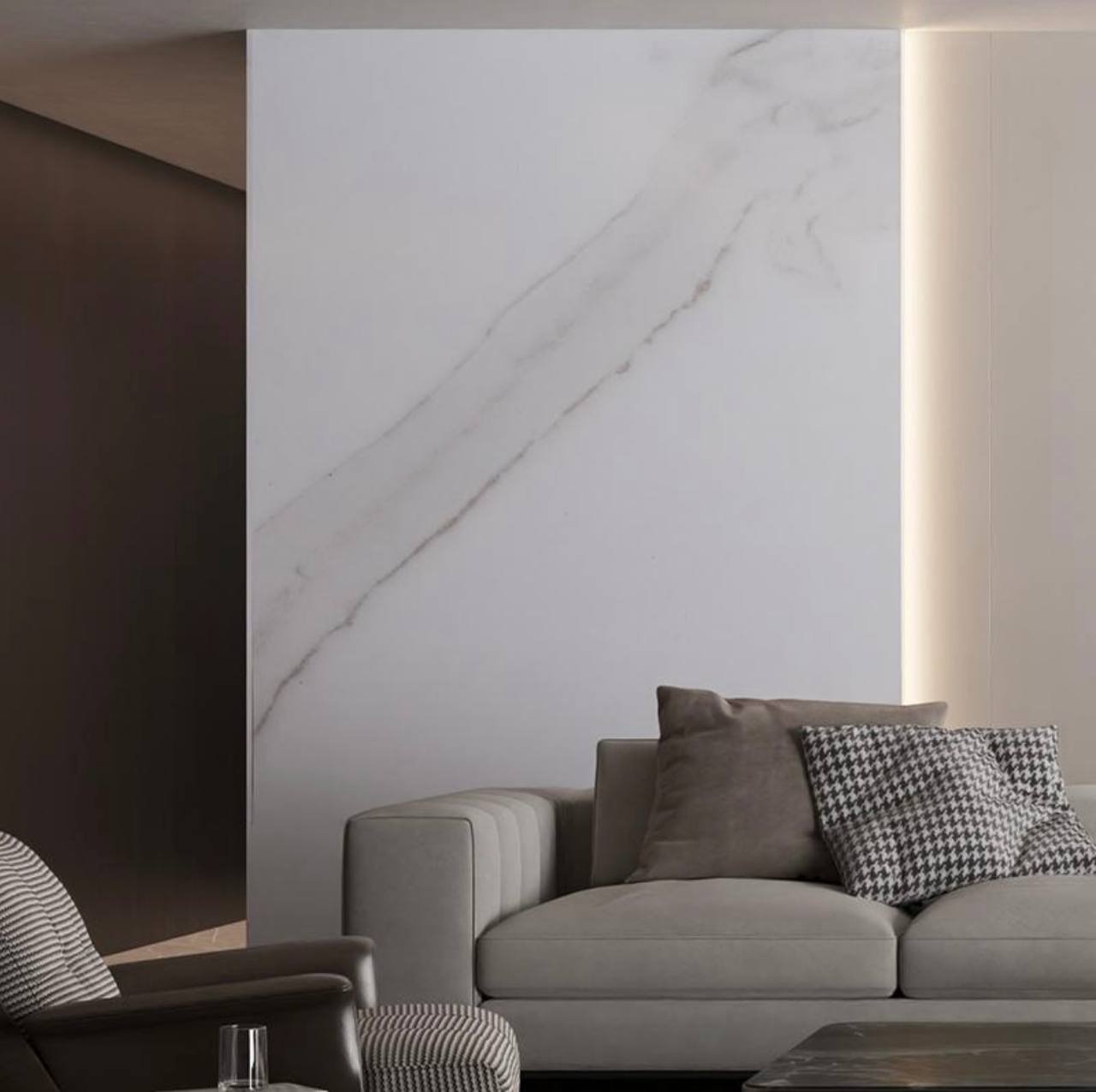
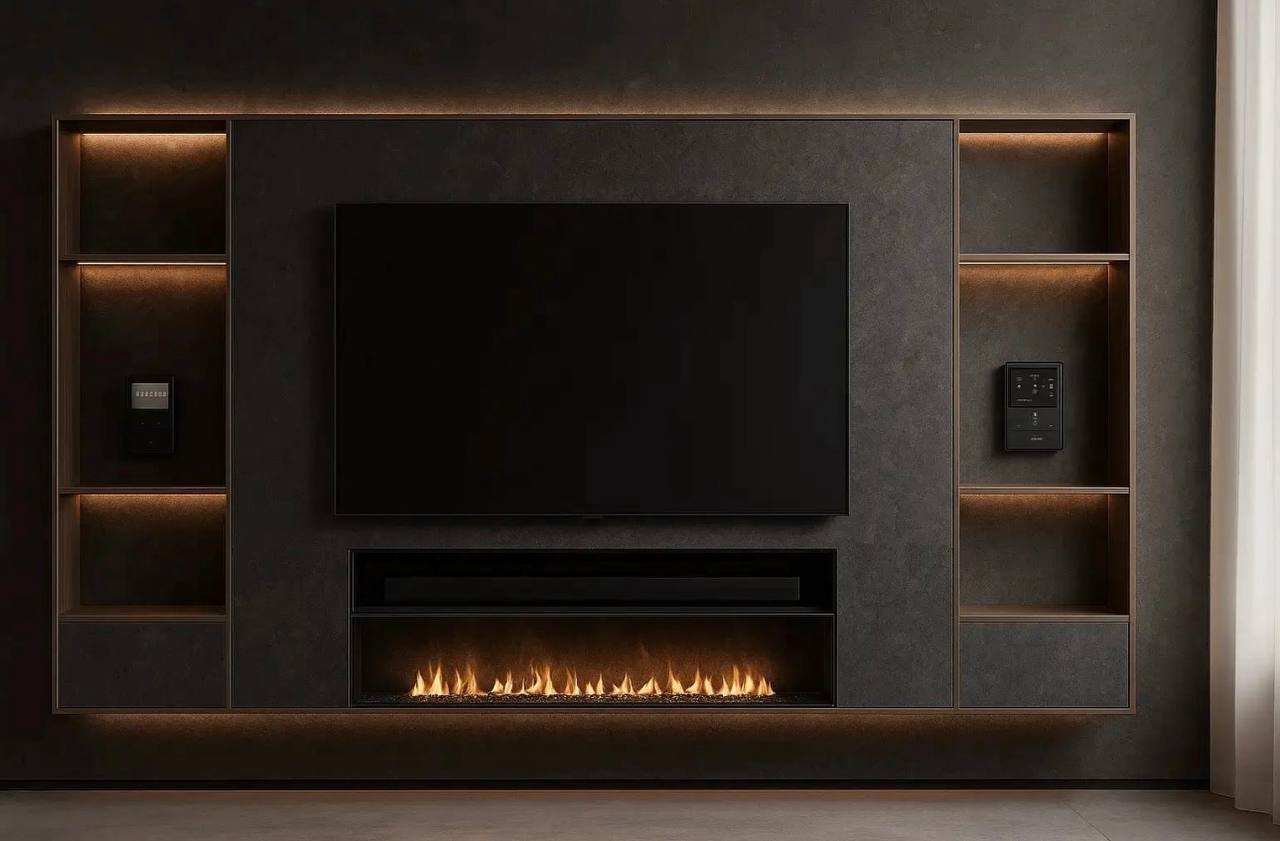
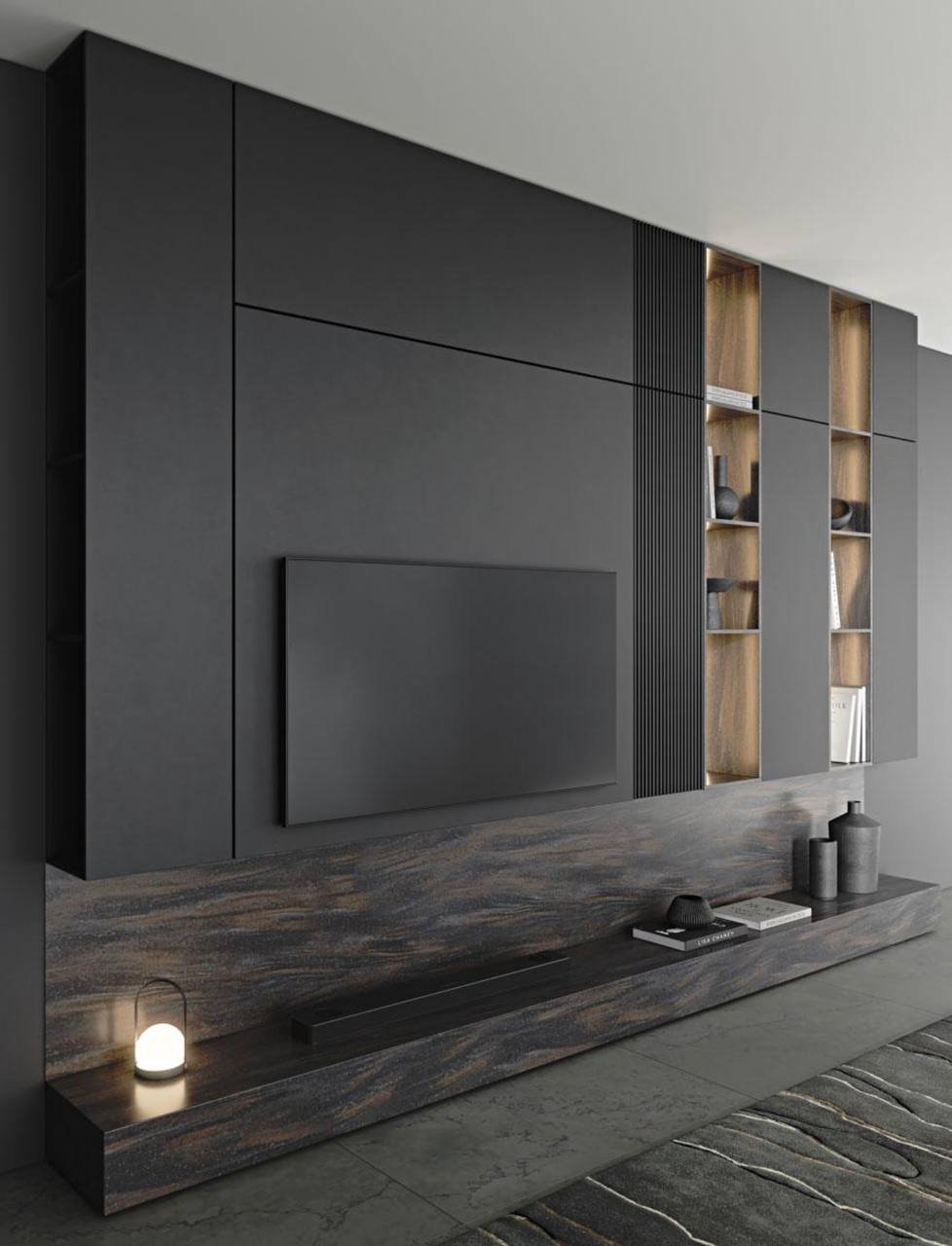
For our type of work, the material is especially interesting as an architectural surface for media walls, feature walls, niches, furniture elements, and large clean panels — not simply as a countertop material.
Corian is also workable and can be thermoformed under appropriate fabrication conditions, opening additional design possibilities. For most residential feature walls, however, one of its greatest strengths is simpler: it can create a clean, substantial, visually continuous architectural surface that combines well with natural wood, cabinetry, and lighting.
Why We Combine Materials
A strong custom interior is rarely about one texture covering everything. The most interesting results often come from combining a small number of materials, each with a clear purpose.
Painted cabinetry can establish the architectural framework. Walnut or White Oak can add natural warmth. Acoustic panels can introduce vertical texture. Stone can become the focal point. Carefully integrated lighting can then emphasize depth and material transitions.
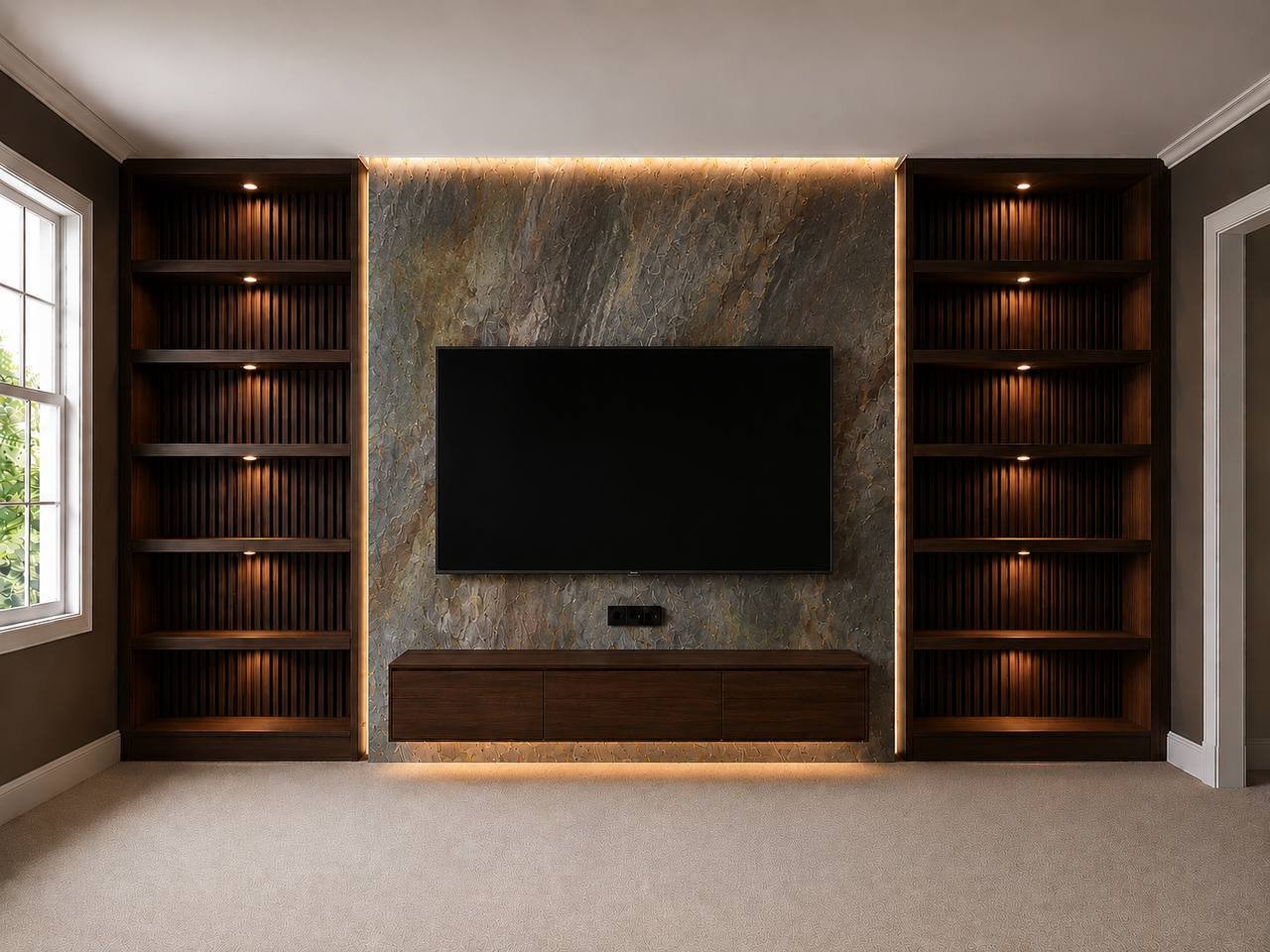
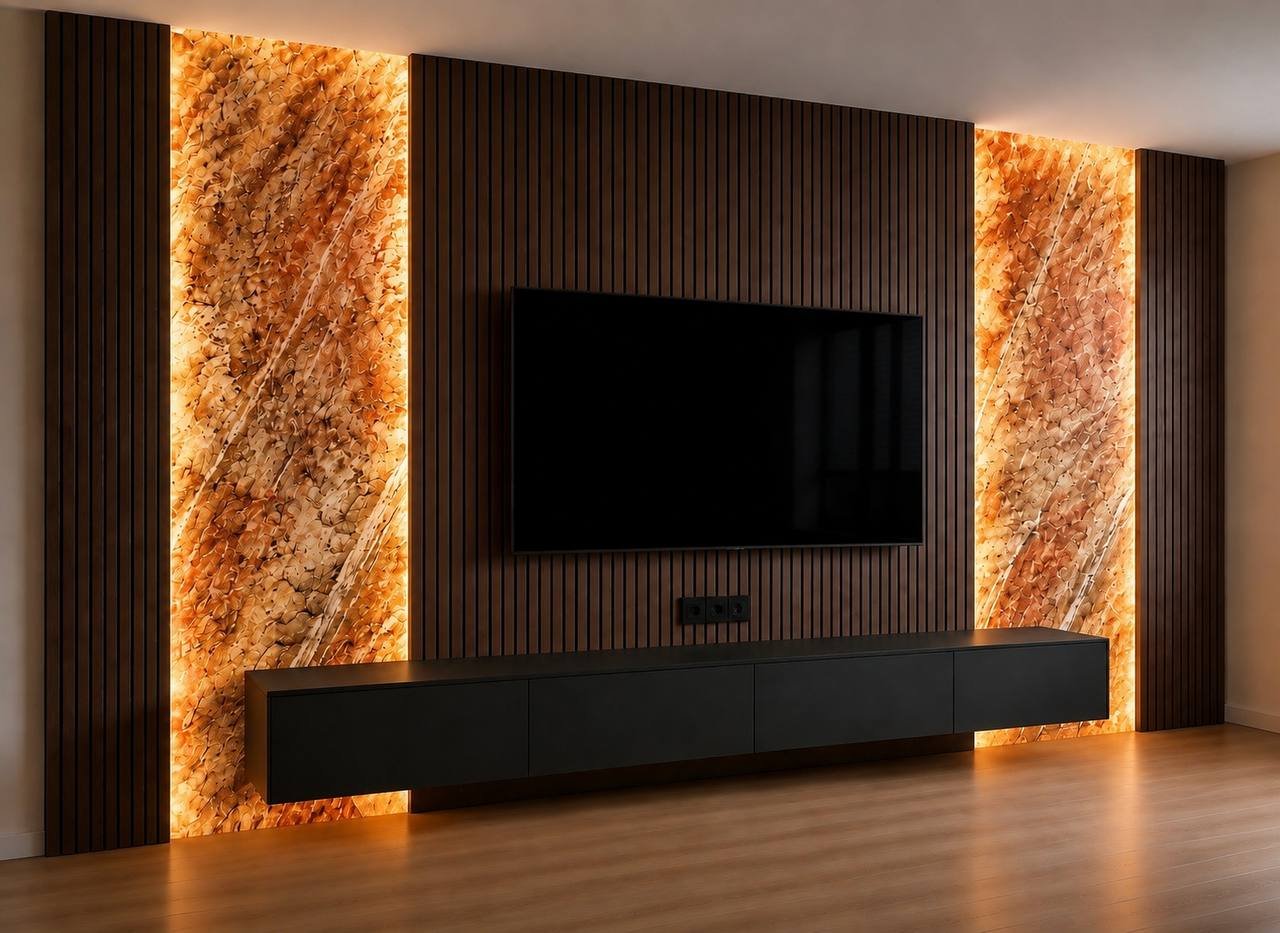
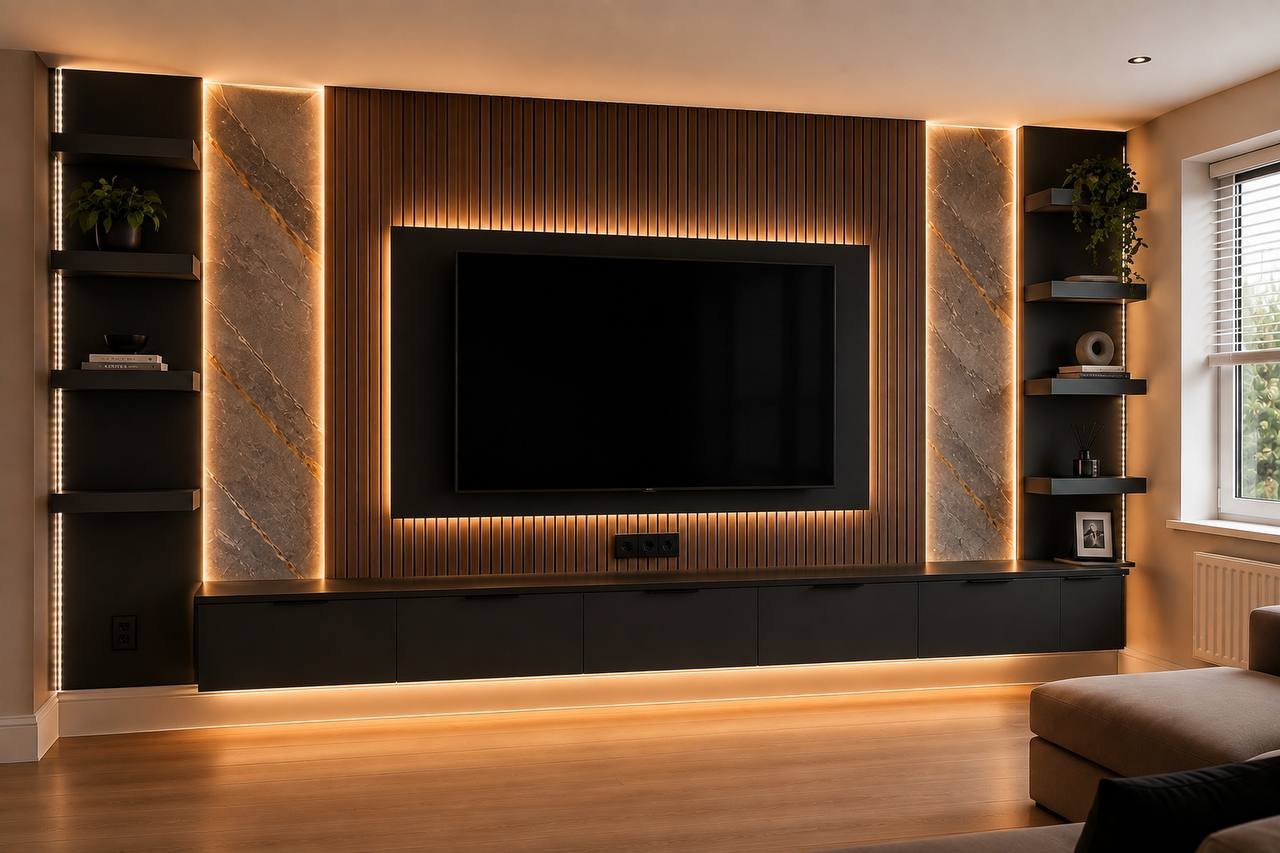
Materials in Finished Projects
These examples show how different surfaces can work together in a complete composition.
Expensive Material Alone Does Not Create a Premium Interior
Natural stone, premium wood, and architectural panels do not automatically create a sophisticated result. Proportion, construction, detailing, and the relationship between materials matter just as much.
A thoughtful combination of cabinet-grade plywood, natural veneer, and one expressive accent surface can often feel more refined than a project overloaded with expensive finishes.
That is why we consider the entire room: its scale, ceiling height, flooring, existing architecture, lighting, and the relationship between the new feature and the rest of the home.
Materials Are Only the Beginning
A quality material is important, but it does not build quality furniture by itself. The way it is cut, joined, prepared, detailed, and installed ultimately determines the finished result.
In this article we intentionally focused on the materials themselves. Finishing systems, furniture hardware, and other fabrication details deserve their own discussion — and will be covered separately.
The principle behind our material selection is simple: every material should have a purpose and a place in the project.
When natural wood, stone, modern architectural surfaces, custom cabinetry, and lighting are combined correctly, the finished work stops feeling like a collection of separate components.
Premium Wood Interiors